
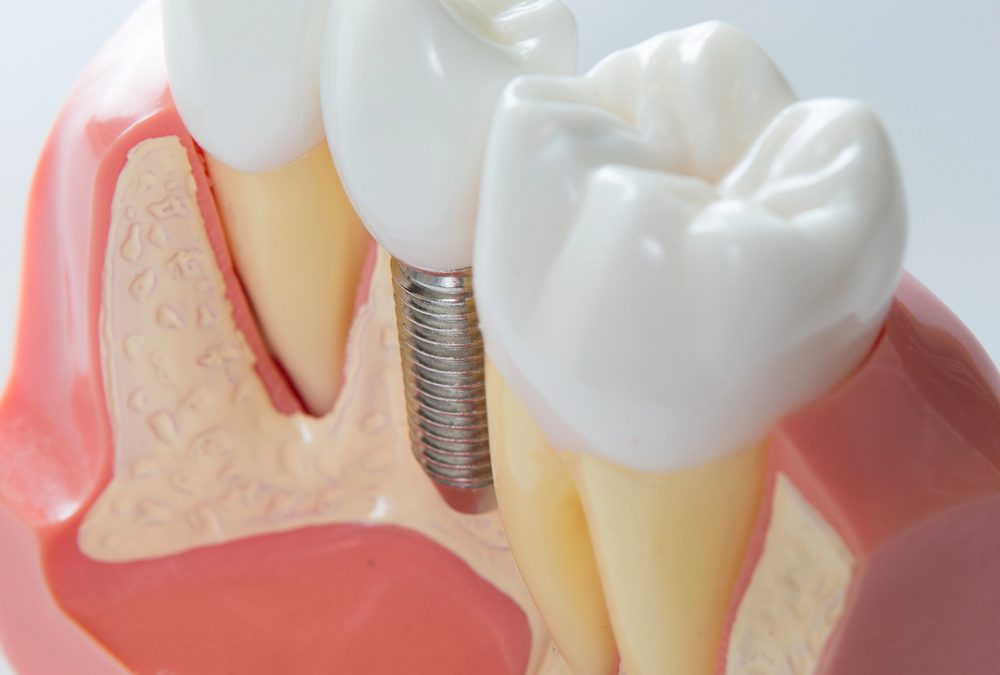
Longevity is no longer just a medical concept; it’s a lifestyle and financial strategy. People are living longer, working longer, and expecting their health investments to deliver lasting value. Dentistry sits squarely in this shift. Patients are moving away from short-term fixes and toward solutions that support comfort, confidence, and functionality for decades. Permanent dental implants, particularly full-arch solutions, are becoming a prime example of how longevity-focused healthcare aligns with smart business marketing.
From a patient perspective, longevity dentistry is about stability and predictability. Traditional options like dentures or bridges often require repeated adjustments, replacements, or ongoing maintenance that accumulates cost and frustration over time. Implants, by contrast, are positioned as a once-and-done investment—higher upfront cost, but fewer downstream compromises. This mindset mirrors how consumers already think about long-term investments in areas like property, superannuation, or preventative healthcare.
For dental practices, this shift opens a powerful marketing narrative. Selling on price alone is a race to the bottom. Selling on longevity reframes the conversation around value, outcomes, and lifestyle impact. Permanent implants allow clinics to move away from transactional dentistry and into relationship-based care, where trust, education, and long-term planning drive patient decisions. This is especially relevant in competitive urban markets where patients have multiple providers to choose from.
The business case strengthens when longevity is paired with transformation. Full-arch implant solutions don’t just restore teeth; they restore confidence, speech, eating ability, and social comfort. These outcomes are emotionally resonant and highly shareable. Practices that communicate this effectively often see stronger word-of-mouth referrals, higher acceptance rates for comprehensive treatment plans, and greater patient loyalty. Longevity becomes not just a clinical benefit, but a brand differentiator.
Marketing permanent implants also aligns well with modern consumer behavior. Patients research extensively, compare options, and look for proof of long-term success. Educational content that explains implant lifespan, bone preservation, and quality-of-life improvements positions a clinic as a trusted authority rather than a seller. When practices show how implant solutions reduce future interventions and protect oral health over decades, the conversation shifts from “cost” to “return on investment.”
A strong example of this positioning is life-changing implant care made possible by All on 4 in Melbourne, where the focus is not only on replacing missing teeth, but on delivering a durable, fixed solution designed to last. This type of messaging speaks directly to longevity-minded patients who want certainty and simplicity as they age. It also gives practices a clear story to tell across websites, consultations, and digital campaigns—one centered on permanence rather than patchwork fixes.
From a revenue standpoint, longevity treatments support practice stability. While fewer repeat repairs might seem counterintuitive, implant-focused practices often benefit from higher-value cases, better case acceptance, and a stronger reputation that attracts ideal patients. Long-term patients are also more likely to engage in ongoing preventative care, hygiene programs, and regular reviews, creating sustainable lifetime value without relying on constant remedial work.
There’s also a branding advantage. Practices that champion permanent solutions position themselves as premium, forward-thinking, and patient-centric. This attracts a demographic willing to invest in quality and outcomes, rather than bargain hunting. Over time, this elevates the entire practice profile, making marketing more efficient and reducing dependence on discounts or aggressive promotions.
Importantly, longevity marketing must be backed by systems and storytelling. Before-and-after narratives, patient journeys, and transparent education around suitability and maintenance all reinforce credibility. Practices that document and share real outcomes build trust faster and shorten the decision cycle for prospective patients considering implants.
Ultimately, investing in permanent dental implants is as much a business strategy as it is a clinical one. It aligns with demographic trends, consumer psychology, and sustainable practice growth. Clinics that frame implants as a longevity investment—not just a dental procedure—tap into a deeper motivation that drives both patient satisfaction and long-term profitability. For practices looking to refine this approach, reviewing proven dental marketing case studies can offer valuable insight into how longevity-driven messaging translates into measurable growth.