
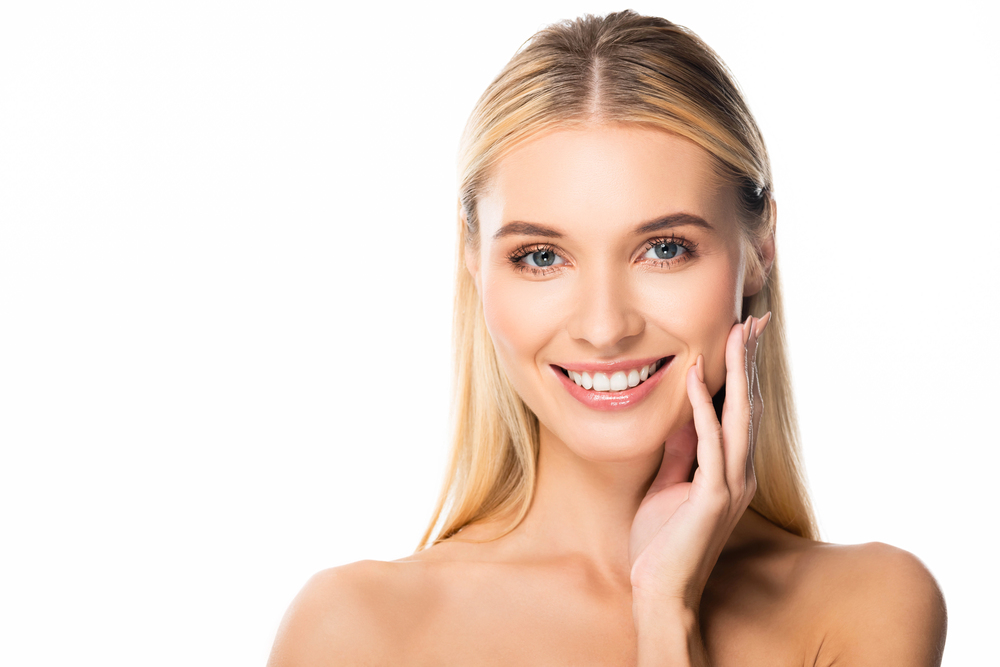
For decades, the concept of beauty was often dictated by glossy magazines and silver-screen icons, resulting in a narrow, often unattainable standard. However, we are currently witnessing a seismic shift in how society perceives facial aesthetics. Modern beauty is no longer about “perfection” in a clinical, cookie-cutter sense; it is about authenticity, symmetry, and the confidence that comes from a healthy glow. At the heart of this transformation is cosmetic dentistry, a field that has moved beyond mere utility to become a primary architect of self-image.
Today, a smile is regarded as a person’s most prominent social asset. The rise of high-definition digital interaction and social media has placed a spotlight on dental aesthetics, leading to a surge in demand for treatments that harmonise the teeth with the overall facial structure. This redefinition of beauty focuses on “tweakments”—subtle enhancements that make a person look like a refreshed version of themselves rather than a different person entirely.
From Restoration to Personal Expression
In the past, visiting a dentist for cosmetic reasons was often seen as an indulgence of the elite or a necessity following trauma. Modern dentistry has democratised these procedures, turning them into a form of self-care and personal expression. Digital Smile Design (DSD) technology now allows patients to co-author their new look, using 3D modeling to preview results before a single tool is lifted.
This collaborative approach ensures that “beauty” is defined by the individual. Whether it is closing a diastema (gap) that someone has felt self-conscious about for years or opting for porcelain veneers to correct discoloration, the goal is emotional resonance. The psychological impact of these changes is profound; when an individual feels their smile reflects their inner vitality, their entire demeanour changes, effectively shifting the beauty standard from “looking good” to “feeling empowered.”
The Rise of the “Natural Look”
We have moved away from the era of blindingly white, overly uniform “piano key” teeth. The current trend in cosmetic dentistry is “the natural look.” Modern materials, such as lithium disilicate and high-grade porcelains, mimic the translucency and light-reflecting properties of natural tooth enamel.
Dentists today are artists as much as they are clinicians. They incorporate slight irregularities and varied shades to ensure that dental work is undetectable to the untrained eye. This shift mirrors a broader movement in the beauty industry toward “no-makeup” makeup and raw, unedited skin. In this context, a beautiful smile is one that looks like you were born with it—healthy, vibrant, and perfectly suited to your unique facial proportions.
Integration with Holistic Wellness
The redefinition of beauty is also becoming increasingly linked to health. We are seeing a massive surge in preventive dentistry trends led by innovative dentist clinics, where the focus is on maintaining the structural integrity of the mouth to support aesthetic outcomes. Cosmetic dentistry is no longer a “quick fix” applied to a failing foundation. Instead, it is the final flourish on a journey of oral health.
Practices are now integrating orthodontic alignment (like clear aligners) with whitening and bonding. This “ortho-restorative” approach ensures that the teeth are in the correct functional position before aesthetic enhancements are made. By prioritising health, the beauty produced is sustainable. This holistic view acknowledges that a truly beautiful smile is a functional one, free from disease and built to last a lifetime.
The Role of Technology and Accessibility
The speed at which beauty standards are evolving is fueled by rapid technological advancement. Chairside CAD/CAM technology allows for “same-day” crowns and veneers, making aesthetic dental care accessible to busy professionals who previously couldn’t commit to multiple appointments. Laser dentistry has made gum contouring—the “lifting” of a gummy smile—virtually painless with minimal downtime.
As these technologies become more widespread, the “luxury” barrier continues to fall. Beauty is becoming less about wealth and more about the proactive management of one’s appearance. The accessibility of these treatments means that a radiant, confident smile is now a standard expectation for many, rather than a rare privilege.
The Business of the Modern Smile
As the public’s appetite for cosmetic enhancement grows, the dental industry itself is undergoing a professional transformation. Clinics are no longer just medical facilities; they are wellness hubs that must communicate their value in a crowded marketplace. For practitioners looking to bridge the gap between clinical excellence and patient reach, it is essential to learn how to market your dental practice effectively to meet the modern patient’s high expectations for aesthetic care.
Ultimately, cosmetic dentistry is redefining beauty by making it inclusive, health-oriented, and deeply personal. It has shifted the focus from external vanity to internal confidence, proving that the most enduring beauty standard is the one that allows an individual to smile without reservation.