
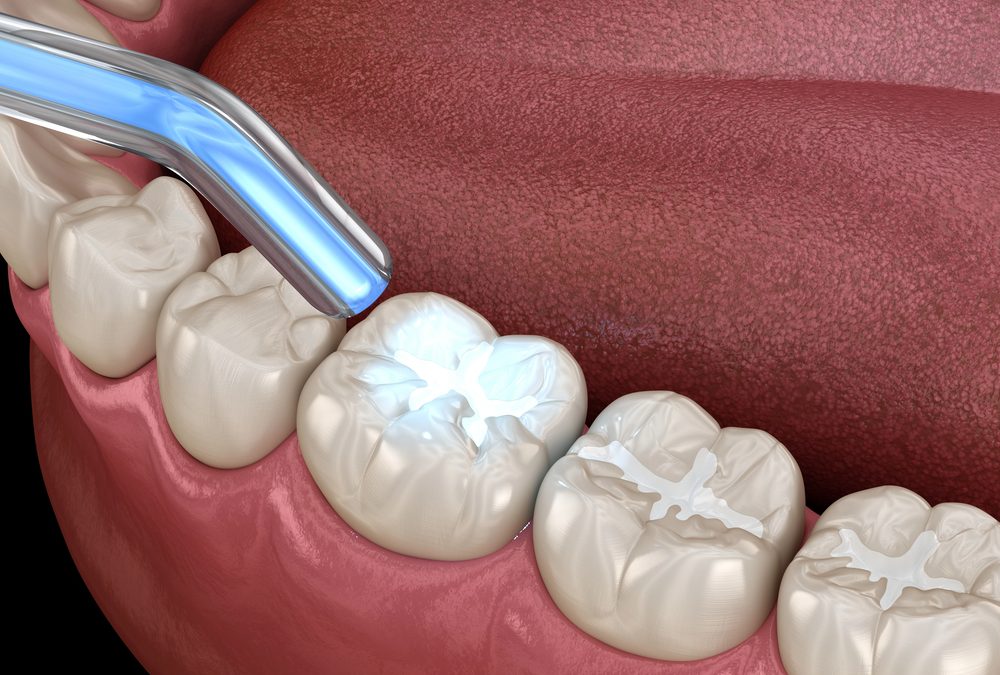
The story of dentistry has always been one of adaptation. From ancient civilizations using rudimentary substances to restore damaged teeth to today’s digitally designed restorations, every era has reflected humanity’s growing understanding of oral health. In Australia, this evolution is entering an exciting new chapter as dental fillings become far more than simple cavity repairs. They are now sophisticated restorations designed to preserve natural teeth, improve long-term oral health, and even interact with the biological environment inside the mouth.
Modern dentistry increasingly recognises that treating decay is not merely about replacing lost tooth structure. Instead, it focuses on restoring function while encouraging the tooth to remain healthy for decades. This philosophy has changed the expectations of both clinicians and patients, making dental restorations an essential part of preventive healthcare rather than simply a reactive solution.
Beyond Repair: A New Philosophy in Tooth Preservation
Historically, dental fillings were designed primarily to occupy the space left behind after decay had been removed. While effective for their time, older materials often required dentists to remove additional healthy tooth structure to secure the restoration.
Today’s restorative techniques have dramatically shifted that mindset.
Modern adhesive technologies allow dentists to preserve significantly more natural enamel and dentine. By bonding directly to the tooth, contemporary dental fillings strengthen weakened areas while minimising unnecessary removal of healthy tissue. This minimally invasive approach aligns with Australia’s growing emphasis on preventive dentistry, where preserving natural teeth is considered the best long-term treatment.
Instead of replacing teeth prematurely, dentists now aim to extend their lifespan through intelligent restoration strategies.
Materials That Work With Nature
One of the most remarkable developments in restorative dentistry is the introduction of smart materials. These advanced restorative compounds represent a significant leap beyond traditional filling materials because they are designed to respond to changes occurring within the oral environment.
Unlike conventional materials that remain chemically inactive after placement, smart materials may release beneficial ions such as fluoride, calcium, or phosphate when exposed to acidic conditions created by bacterial activity. These ions can help encourage remineralisation of weakened enamel and reduce the progression of early decay around restored teeth.
Rather than acting as passive placeholders, these restorations actively contribute to maintaining healthier teeth.
For Australian patients who consume acidic beverages, enjoy coffee culture, or participate in active lifestyles that challenge oral health, these innovations provide an additional layer of biological support.
Meeting Australia’s Changing Oral Health Needs
Australia’s population is living longer while retaining more natural teeth than previous generations. This demographic shift presents new restorative challenges.
Older adults frequently require treatment for worn teeth, root surface decay, and restorations that have aged over decades. Younger Australians, meanwhile, seek treatments that prioritise aesthetics, durability, and minimal intervention.
Modern dental fillings successfully address both ends of this spectrum.
Highly aesthetic composite resins closely replicate the natural colour, translucency, and texture of enamel, making restorations virtually invisible. Improved wear resistance allows these materials to withstand daily chewing forces while maintaining their appearance for many years.
For patients, this means restorative treatment no longer needs to compromise confidence when smiling or speaking.
Digital Dentistry Is Enhancing Precision
Technological innovation has also transformed how fillings are planned and placed.
Digital diagnostic tools enable dentists to detect decay much earlier than was previously possible. High-resolution imaging, intraoral scanners, and magnification systems allow clinicians to identify microscopic defects before they become major structural problems.
Early diagnosis often results in smaller restorations that preserve more natural tooth tissue.
Digital workflows also improve the accuracy of restorations by allowing clinicians to evaluate bite alignment, tooth anatomy, and contact points with exceptional precision. This reduces unnecessary adjustments while improving patient comfort and restoration longevity.
As Australian dental practices continue embracing digital technologies, patients increasingly benefit from treatments that are both conservative and highly personalised.
Strengthening Preventive Dentistry
Preventive dentistry has traditionally focused on oral hygiene education, fluoride exposure, and dietary advice. While these remain essential, restorative dentistry now plays a more active preventive role.
When modern dental fillings seal vulnerable tooth surfaces effectively, they help limit bacterial penetration into deeper layers of the tooth. Better marginal adaptation reduces the risk of recurrent decay, one of the leading reasons restorations require replacement.
Combined with regular dental examinations, these restorations contribute to a cycle of preservation rather than repeated repair.
The ultimate objective is not simply filling cavities but interrupting the progression of disease.
Sustainability Through Longevity
Healthcare sustainability is becoming increasingly important across Australia, including within dentistry.
Long-lasting restorations reduce the need for repeated treatment, conserving both financial resources and natural tooth structure. Every time an old filling requires replacement, additional healthy tooth tissue may be sacrificed.
By extending restoration lifespan through stronger materials and improved bonding systems, dentists help patients avoid progressively larger restorations that could eventually require crowns, root canal therapy, or extraction.
In many cases, the most environmentally responsible dental treatment is also the most biologically conservative.
Looking Toward the Future
Research continues to push restorative dentistry beyond conventional expectations. Scientists are exploring bioactive materials capable of stimulating tissue regeneration, antibacterial surfaces that resist harmful microbial growth, and nanotechnology designed to strengthen restorations at the microscopic level.
The ongoing introduction of smart materials represents only the beginning of a future where restorations may actively monitor oral conditions, respond to bacterial activity, or even encourage natural tissue repair.
While many of these technologies remain under development, they illustrate how dentistry is transitioning from repairing damage toward supporting the body’s own healing processes.
A New Era for Australian Smiles
Modern restorative dentistry reflects a profound shift in healthcare thinking. Teeth are no longer viewed as structures that inevitably deteriorate with age but as living tissues that can often be preserved through timely intervention, advanced materials, and evidence-based care.
Today’s dental fillings embody this transformation. They combine aesthetics, durability, biological compatibility, and technological precision to deliver outcomes that extend well beyond repairing cavities. Supported by the continued introduction of smart materials, these innovations are helping Australians retain healthier, stronger, and more natural smiles throughout every stage of life.
As research continues and technology advances, dental restorations will increasingly become partners in oral health rather than simple replacements for damaged tooth structure—transforming not only individual smiles but the future of dental healthcare across Australia.