
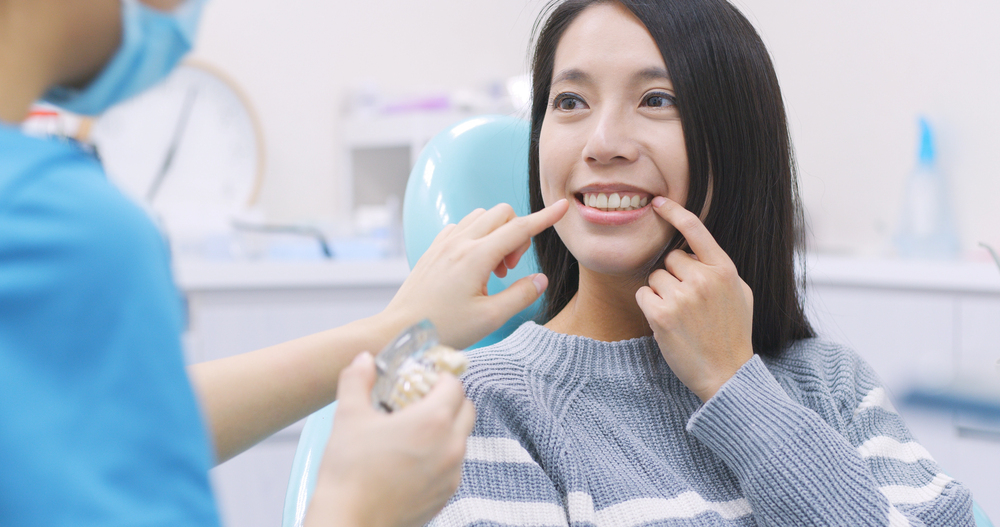
The landscape of restorative dentistry is undergoing a profound transformation. While replacing missing teeth was once focused purely on basic structural survival, contemporary implantology prioritises biological compatibility, digital precision, and long-term tissue health. Modern procedures leverage advanced materials and computing power to deliver highly predictable outcomes. This rapid evolution is driven by a shared industry commitment to make oral rehabilitation less invasive, highly individualised, and vastly more reliable for patients facing complex tooth loss.
Digital Precision and Advanced Surgical Protocols
The integration of three-dimensional diagnostic imaging and computer-aided engineering has fundamentally reshaped surgical predictability. Clinicians no longer rely on two-dimensional x-rays or manual estimations to determine optimal placement. Instead, Cone-Beam Computed Tomography (CBCT) scans are seamlessly paired with digital intraoral impressions to construct complete virtual models of a patient’s oral anatomy. This enables dentists to map out nerve pathways, assess bone density variations, and position virtual fixtures with sub-millimetre accuracy before a single incision is made.
These technological strides are particularly evident in complex, full-arch rehabilitations. For instance, recent advances in surgical protocols are improving success rates for All-on-4 dental implants treatment, allowing practitioners to anchor an entire arch of teeth on just four strategically angled fixtures. By maximizing the use of available bone and utilizing rigid 3D-printed surgical guides during live placement, these advanced protocols reduce human error, minimize surgical trauma, and support immediate functional loading. The result is a faster, more comfortable recovery period for the patient and a significantly reduced risk of mechanical or biological failure over time.
Smart Material Engineering and Bio-Active Surfaces
Beyond the surgical methodology, the physical composition of the fixtures themselves is seeing remarkable innovation. While commercial-grade titanium has long served as the gold standard due to its excellent strength and biocompatibility, research is shifting toward “smart” or responsive surface designs. Emerging implant surfaces are engineered at a nanoscale level to actively encourage rapid osseointegration—the structural bonding process between living bone and the artificial root.
Furthermore, next-generation fixtures are incorporating anti-biofilm surface engineering to combat peri-implantitis, a leading cause of long-term implant failure. Rather than acting as passive metal anchors, these advanced coatings feature antimicrobial peptides or responsive polymer matrices. These materials remain dormant under normal conditions but can actively disrupt bacterial colonization or release localized therapeutic agents if they detect micro-environmental shifts, such as a drop in pH caused by pathogenic bacteria. By physically and chemically repelling harmful microbes while simultaneously attracting bone-building osteoblast cells, smart implants offer a dual-layered defence system that safeguards the surrounding tissue.
Diagnostic Devices and Automated Diagnostics
The introduction of artificial intelligence (AI) and machine learning algorithms into digital dental workflows has further elevated diagnostic accuracy. AI-driven software can now instantly analyze thousands of data points within a patient’s CBCT scan, automatically segmenting critical anatomical structures, identifying localized bone deficiencies, and suggesting ideal placement angles based on historical clinical outcomes. This software cuts down treatment planning times from hours to minutes while providing an objective, data-backed second opinion for the clinical team.
Looking slightly further ahead, the concept of the “bio-intelligent” prosthesis is moving from laboratory research into early clinical applications. Researchers are successfully embedding micro-biosensors within custom abutments and prosthetic frameworks. These sensors are designed to monitor intraoral temperature fluctuations, early inflammatory biomarkers in the saliva, and real-time occlusal load distribution. By wirelessly transmitting this data to a practitioner’s monitoring system, these devices can flag early signs of bone loss or tissue stress long before a patient experiences physical symptoms or pain. This shifts the dental paradigm from reactive treatment to proactive, preventative maintenance.
Personalized Care Redefining Patient Outcomes
Ultimately, these scientific milestones reflect broader oral care lifestyle shifts within society, where individuals increasingly view oral health as an inseparable component of systemic well-being and longevity. Modern patients no longer accept generic, one-size-fits-all treatments; instead, they demand tailored solutions that preserve natural tissue, match individual lifestyles, and offer long-term predictability. The convergence of robotic-assisted navigation, custom-milled zirconia or titanium components, and predictive diagnostic software ensures that every treatment pathway is as unique as the patient’s own biology. As these safer, smarter, and highly personalized technologies continue to mature, the predictability of full-mouth rehabilitation will continue to rise, offering patients a functional, natural-looking smile that is engineered to last a lifetime.